The Christmas break should be a time to relax, but it is also a surprisingly busy period for ACC.
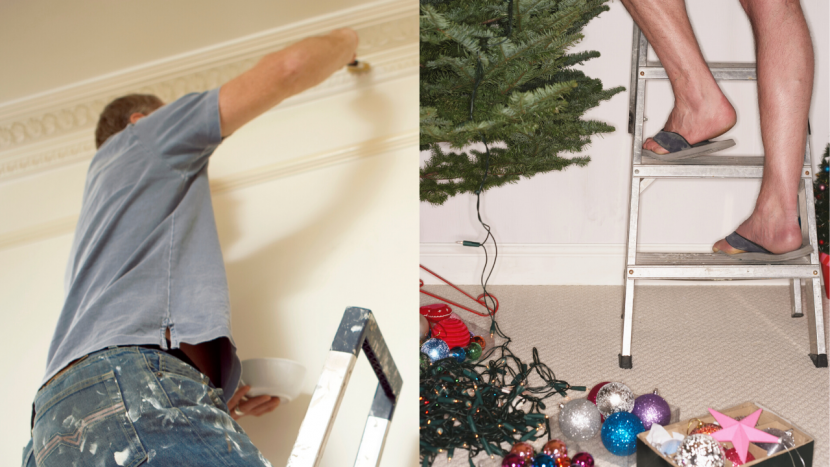
Figures released by ACC show that nearly 210,000 claims were lodged for injuries connected with Christmas activities between 2020 and 2025. Together, those injuries cost almost $400 million. Falls from chairs, stools and ladders alone accounted for 24,789 claims and $51.3 million in costs.[1]
Those numbers are startling, but the message is simple: slowing down and planning ahead can make a meaningful difference.
Decorating, travelling, carrying presents and launching into summer activities can place different demands on your body. These practical tips can help you protect your back and enjoy the holiday season.
Plan Before You Lift
Christmas trees, chilly bins, suitcases and boxes of decorations can be heavy or awkward to carry.
Before lifting something, check its weight and make sure your path is clear. Keep the load close to your body and turn with your feet rather than twisting through your back while carrying it.
Divide heavy loads into smaller ones where possible. If an object is bulky or difficult to grip, ask someone to help rather than trying to manage it alone.
Several lighter trips are usually a better option than attempting to carry everything at once.
Take Care When Using Ladders
Decorating often means reaching places that are normally left alone. Avoid substituting a chair, stool or unstable piece of furniture for a proper ladder.
Place the ladder on firm, level ground and ensure it is fully opened and secure. Maintain three points of contact while climbing, and move the ladder closer instead of leaning beyond its sides.
Avoid climbing while holding large decorations or heavy objects. If possible, have another person pass items to you and remain nearby while the ladder is in use.
Keep Walkways Clear
Boxes, wrapping paper, electrical cords, toys and bags can quickly fill the floor during Christmas celebrations.
Keep stairs, entrances and frequently used walkways clear. Clean up spills promptly, especially around kitchens, outdoor dining areas and swimming pools.
Good lighting can also help guests move safely through unfamiliar areas at night.
Share the Holiday Workload
Preparing for Christmas can involve hours of shopping, cooking, cleaning, gardening and decorating. Trying to complete everything yourself can leave you tired and more likely to rush.
Divide jobs among family members and complete larger tasks over several days. Alternate between activities instead of spending hours repeatedly bending, reaching or carrying.
Regular pauses are not wasted time. They give your body an opportunity to change position and recover.
Take Breaks During Long Journeys
Visiting family or travelling to a holiday destination may mean sitting in a car for several hours.
Adjust your seat so you feel comfortably supported and take regular breaks when it is safe to do so. A short walk and a change of position can help reduce stiffness while giving the driver an opportunity to reset and refocus.
When you arrive, take a few minutes to move around before unloading the car. There is no prize for carrying every suitcase inside in one trip.
Keep Moving
Your usual routine may change during the holidays, but movement does not need to involve a formal workout.
Walking after a meal, swimming, playing outside with the children or doing a few comfortable mobility exercises can all help keep your body moving.
The aim is not to compensate for Christmas lunch or complete a demanding exercise programme. It is simply to avoid remaining in one position for too long.
Ease Into Summer Activities
New Zealand holidays often involve gardening, DIY projects, beach games, cycling, water sports and other activities that may be different from your usual routine.
Give your body time to warm up and ease into anything unfamiliar. Start at a comfortable pace and take breaks before you become exhausted.
New equipment also deserves some practice. Whether it is a bicycle, paddleboard or piece of exercise equipment, begin in a controlled environment and build confidence before attempting anything more demanding.
Choose activities that suit your current ability and experience rather than feeling pressured to keep up with someone else.
Pay Attention to What Your Body Is Telling You
Mild muscle fatigue can occur after an unfamiliar or particularly active day. It may be a sign that your body needs a change of activity, some gentle movement or an opportunity to rest.
Sharp pain, increasing discomfort or a noticeable loss of movement should not be ignored. Stop the activity and reassess what you are doing.
Seek appropriate medical assessment after a significant fall, accident or injury, or if you develop severe or concerning symptoms.
Supporting Your Body Through the Holidays
If stiffness, restricted movement or recurring discomfort is making holiday activities difficult, a chiropractor can assess how your joints and muscles are functioning.
Care may include adjustments, movement advice and exercises suited to your individual needs. The purpose is to support comfortable movement and function so you can continue participating in the activities that matter to you.
Enjoy the Season
The holidays should be about spending time with the people you care about, not racing through a list of jobs.
Plan ahead, share the work, keep moving and ask for help with anything you cannot comfortably manage. A few thoughtful choices can help you enjoy decorating, travelling and celebrating without placing unnecessary strain on your body.
References
[1] 1News. Revealed: The festive injuries costing Kiwis millions every Christmas. ACC figures published 21 December 2025.
[2] WorkSafe New Zealand. Safe Working With Ladders and Stepladders.