
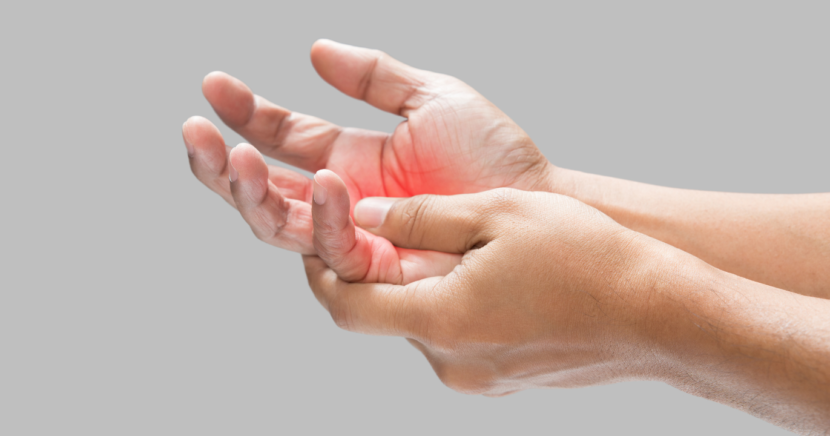
Cold hands and feet are common in winter. As the temperature drops, your body naturally narrows the small blood vessels near the skin to conserve warmth for your core. This can leave your fingers and toes feeling colder than the rest of you.
For many people, this is simply a normal response to cold weather. However, frequent or pronounced changes can provide useful information about how your body is responding and whether it may need additional support.
Five Signs Worth Paying Attention To
1. Cold Hands and Feet
Your hands and feet sit furthest from your core, so they often feel the cold first. Remaining active, dressing warmly and regularly changing position can help your whole body stay comfortable.
2. Changes in Skin Colour
Fingers or toes that turn noticeably white, blue or red in response to cold may be experiencing changes in blood flow associated with Raynaud’s syndrome.
During an episode, the small blood vessels narrow and the area may feel cold or numb. As warmth returns, the skin can become red, tingly or uncomfortable. Raynaud’s is usually harmless, although recurring or severe symptoms are worth discussing with your healthcare provider.
3. Numbness or Pins and Needles
Temporary pins and needles can occur after remaining in one position or putting pressure on a nerve. Regular movement often helps the sensation settle.
When numbness or tingling happens frequently, lasts for an extended period or affects only one side of the body, it deserves closer attention. Nerves, joint movement, posture and other health factors can all influence sensation in the hands and feet.
4. Swelling Around the Feet or Ankles
Long periods of sitting or standing can contribute to fluid collecting around the lower legs and ankles. Moving regularly engages the leg muscles, which help return blood and fluid towards the heart.
Persistent, painful or one-sided swelling should always be assessed by an appropriate healthcare professional.
5. Changes That Do Not Settle
Skin sores that heal slowly, persistent colour changes, ongoing pain or symptoms that continue even when you are warm should not be ignored. These signs can have several possible causes and are best properly assessed.
Movement Supports Healthy Circulation
Your body is designed to move. Every time you walk, stretch or use your muscles, those contractions help move blood and fluid through the body.
Winter can make it tempting to spend longer sitting indoors, but small amounts of regular activity can make a meaningful difference. Helpful habits include:
- Taking regular walking breaks
- Moving your ankles and toes while seated
- Gently opening and closing your hands
- Changing position throughout the day
- Wearing warm, comfortable layers
- Keeping your whole body warm rather than warming only your hands and feet
- Rewarming cold areas gradually with warm—not hot—water
- Including regular exercise that suits your ability
These habits support mobility, warmth and general cardiovascular health while helping you feel more energised through winter.
Supporting Movement With Chiropractic Care
Good circulation and comfortable movement are part of a bigger picture. Joint mobility, muscle function, posture and nervous-system coordination all influence how easily and confidently you move.
When the spine or other joints are not moving well, you may naturally become less active. Tightness through the back, hips, shoulders or neck can also make everyday movement feel harder than it should.
Chiropractic care supports healthy spinal and nervous-system function. By identifying areas of restricted movement and supporting better joint function, chiropractic care can help you:
- Move more freely and comfortably
- Maintain an active lifestyle through winter
- Improve awareness of posture and movement habits
- Reduce the physical tension that can build up with prolonged sitting
- Support effective communication between the brain and body
- Feel more confident using your body every day
Regular chiropractic care can sit alongside walking, strength, mobility work, quality sleep and nourishing food as part of a positive approach to whole-body wellbeing.
Keep Your Body Moving This Winter
Cold hands and feet can be a useful reminder to move, warm up and pay attention to your body. Regular activity, warm clothing and healthy daily routines can support comfort and help you stay active throughout the colder months.
A chiropractic assessment can also identify spinal or joint restrictions that may be limiting how well you move. Supporting mobility and nervous-system function helps create a strong foundation for an active, capable and resilient body—whatever the weather.